Creating a stronger future for our region
Real change happens when regional voices are united. The Northern & Yorke Local Government Association brings together the leadership of our 15 member councils to champion the priorities that will shape the future of our communities.
We work alongside governments, industry and regional partners to influence policy, attract investment and deliver practical solutions that strengthen our economy, improve liveability and create opportunities for generations to come. Every conversation, every partnership and every advocacy effort is focused on ensuring our region continues to thrive.
The trusted regional voice influencing policy and investment
We advocate for our region at State and Federal levels – securing investment, influencing policy, and ensuring regional priorities are heard and delivered.
advocacy priorities
NYLGA continues to advocate for regional priorities that are centred around enhancing regional resilience, improving infrastructure, supporting community services, and securing fair and increased investment into the region.
A central focus of the Association’s advocacy agenda is to maximise the region’s opportunities to benefit from available funding streams and grant programs, particularly through increased access to state and federal funding for local roads and transport infrastructure, recognising that well-maintained and safe transport networks are essential for productivity, connectivity, and community wellbeing.
In addition to physical infrastructure, NYLGA supports advocacy for state government partnerships on broader social infrastructure including housing, health, education and childcare solutions, acknowledging that access to these services underpins regional growth and liveability.
The Association also emphasises support for councils in mitigating climate risks and building resilience, including assistance to achieve net-zero targets and adapt to changing environmental conditions.
The Northern and Yorke region needs a strong, practical and enduring partnership with the South Australian Government that recognises the region’s contribution to the state economy and the increasing pressures faced by its communities and councils.

Housing developments in the Wakefield and Copper Coast regions cannot progress due to lack of available mains water connectivity.
97% of residents in Quorn do not access tap water due to its poor quality.
Water connectivity and security, the region needs sustained state investment to improve the reliability, capacity and interconnection of water supply systems across rural and coastal communities.
Many towns face constraints arising from ageing infrastructure, limited redundancy and increasing demand driven by population change, industry growth and climate variability.
The region requires support for upgraded pipelines, improved interconnection between schemes, alternative water sources and long-term water planning that reflects climate change impacts.
Councils also need clearer alignment between state water policy, pricing structures and regional development objectives to ensure water availability does not become a barrier to housing, industry or community sustainability and infrastructure expansion.
The federal electorate of Grey covers a large geographical area of South Australia and has been identified as one of the most significant ‘childcare deserts’ in the nation, where the demand for childcare far exceeds availability.
Childcare access remains a critical constraint across the Northern and Yorke region and directly affects workforce participation, economic development and population retention. The region needs state leadership to address the shortage of early childhood education and care places, particularly in smaller towns and remote communities where market-based service provision is not viable. This includes capital funding for new or expanded facilities, operational support to attract and retain qualified educators, and flexible service models that reflect regional demand patterns.
Without intervention, councils continue to face pressure to fill service gaps despite childcare falling outside their core responsibilities.

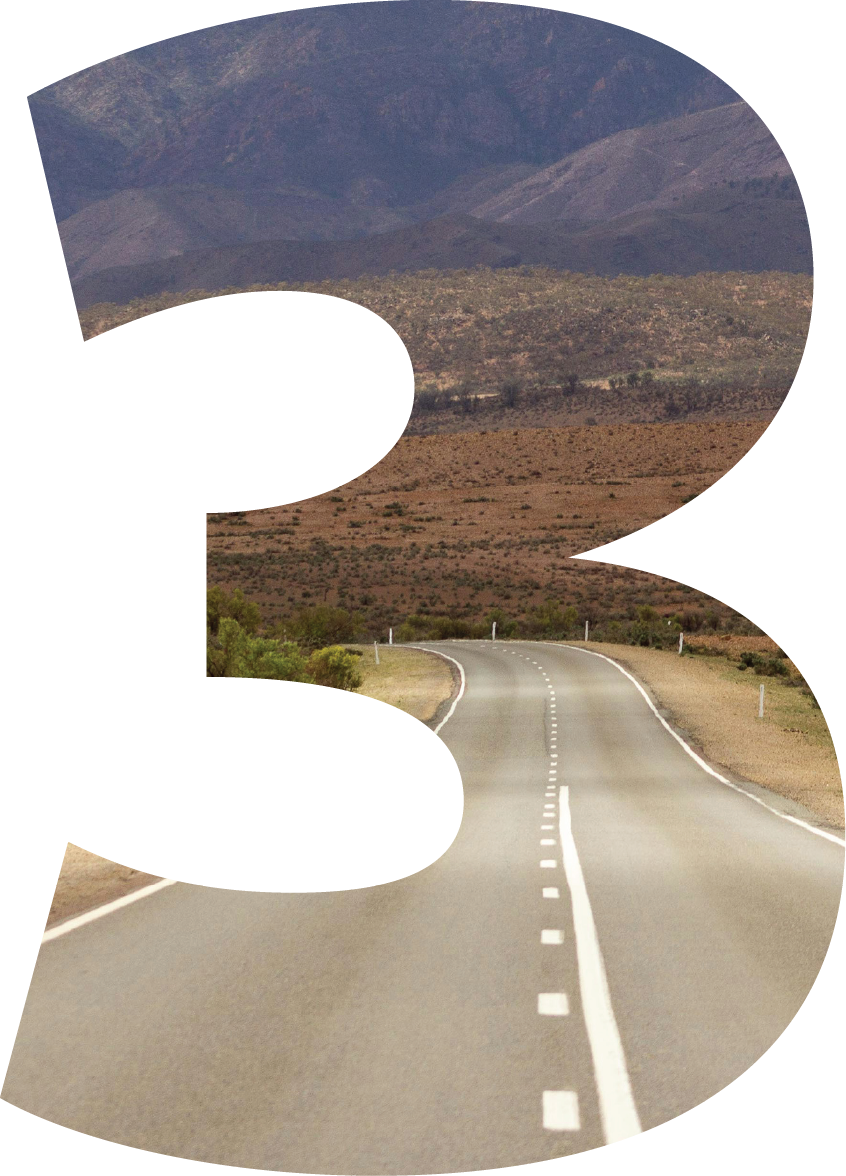
The Yorke Peninsula Council has 3,890 kms of roads to manage and renew. Crop farming is a key economic activity and this places significant heavy vehicle pressure on Council’s road network.
Securing increased and fair state investment in local roads and transport infrastructure across the Northern and Yorke region, recognising the critical role of road networks in freight efficiency, road safety, economic productivity and community connectivity.
At a fundamental level, the region needs fairer and more predictable state investment that reflects the true cost of delivering infrastructure and services across large, dispersed regional areas.
The region requires sustained funding and policy support to address the backlog and ongoing maintenance of local and regional road networks, including greater state contribution to roads of regional significance that carry freight, agricultural production and tourism traffic but remain the responsibility of local government.
Improved coordination between state transport planning and local government asset management is essential to ensure investment decisions are timely, efficient and aligned with regional priorities.
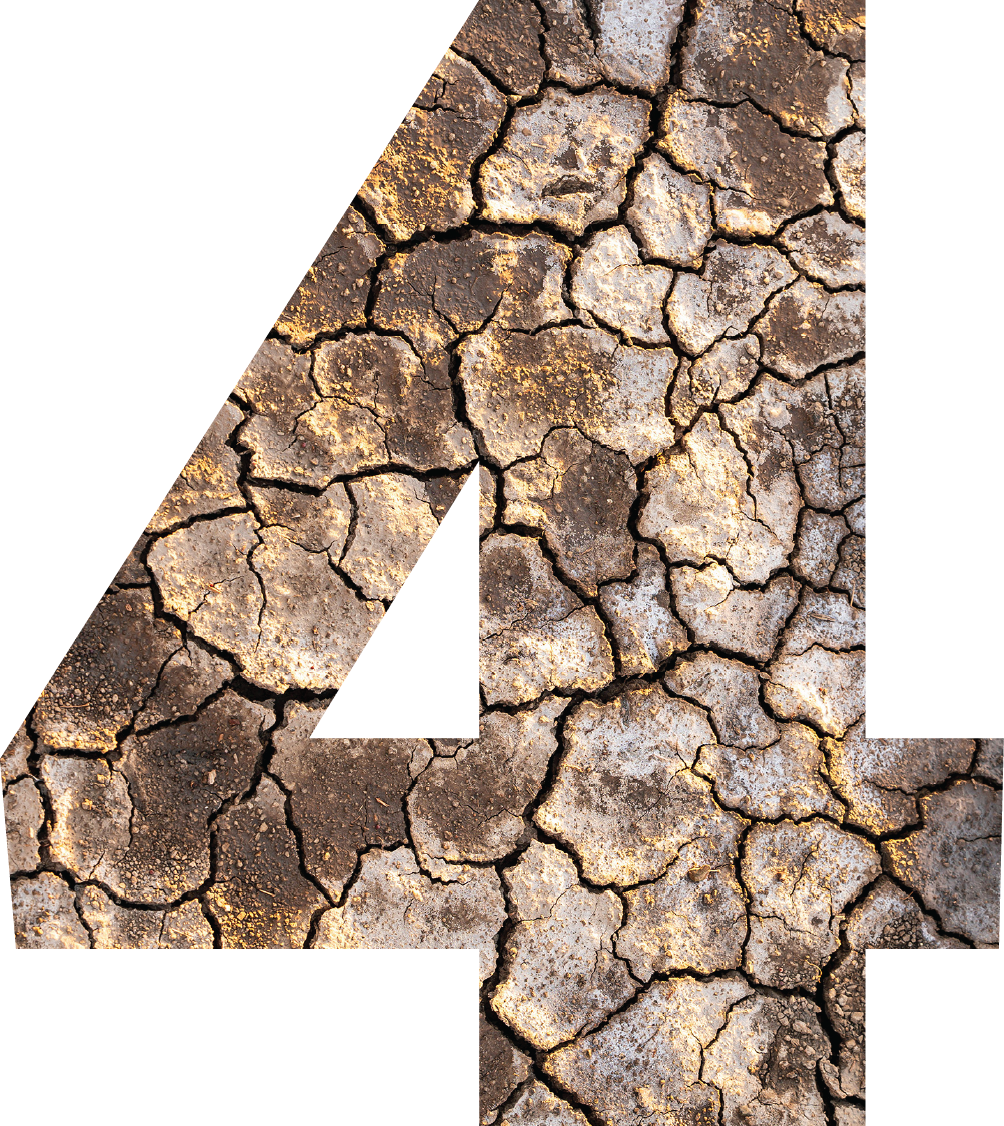
Six coastal councils continue to deal with the impacts of algal bloom, with visitation down and local businesses impacted. The region also continues to deal with the long-term impacts of drought.
Supporting climate adaptation and resilience for regional communities and councils, including practical assistance to manage climate risks, respond to extreme weather events and progress toward net zero and broader environmental sustainability objectives.
The region needs meaningful state support to build climate resilience and manage environmental risk. This includes funding and technical assistance for adaptation planning, coastal protection, water security, emergency management and climate-resilient infrastructure, as well as realistic pathways and incentives for councils to progress toward net zero in a way that reflects regional circumstances.
The number one issue from the community at Country Cabinet meetings in 2025 related to access to health services, including GP and hospital services.
Strengthening state government partnership in the delivery of essential social infrastructure, particularly housing supply, health services, education and early childhood facilities, to support population retention, workforce attraction and regional liveability.
Northern and Yorke also needs state leadership and co-investment in critical social infrastructure, including:
- Housing (targeted action to increase the supply and affordability of housing)
- Health Services (support for regional health services and health workforce attraction)
- Education and Training (access to quality education and training.
Without this support, councils are left to manage the social and economic consequences of service gaps beyond their legislative remit and financial capacity.

Councils collect the Landscape Levy on behalf of the State Government, which places significant impacts on local government to administer and collect these fees.
Addressing the growing financial and regulatory pressures on local government by advocating for cost-shifting reform, fairer fees and charges, and reduced compliance burdens that undermine council financial sustainability and service delivery capacity.
From a governance and financial perspective, Northern and Yorke requires the State Government to address long-standing cost shifting and regulatory burdens imposed on local government. This means reviewing fees, charges and compliance obligations, improving funding indexation, and ensuring new policy initiatives are properly funded and designed in partnership with councils.

Ensuring state planning and regional development frameworks properly reflect the needs, priorities and growth ambitions of Northern and Yorke communities, with meaningful engagement of councils in state policy, planning and investment decisions.